
Copper plating is the foundation layer beneath most bright finishes we produce, and a capable finish in its own right for electronics, heat management, and electroforming.
The process deposits a ductile, highly conductive layer of copper. Its exceptional throwing and leveling power makes it ideal for smoothing a surface before a bright top finish, and its conductivity and ductility make it valuable in electronics and electroforming. Copper is soft, so it usually serves as a base layer rather than a final decorative surface.
Typical applications
- Undercoat and leveling layer beneath bright decorative finishes
- Electronics, printed circuit board (PCB) work, and bus connections
- Heat-sinking and thermal-management components
- Electromagnetic interference (EMI) and radio-frequency interference (RFI) shielding
- Electroforming and stop-off masking for carburizing and heat treatment
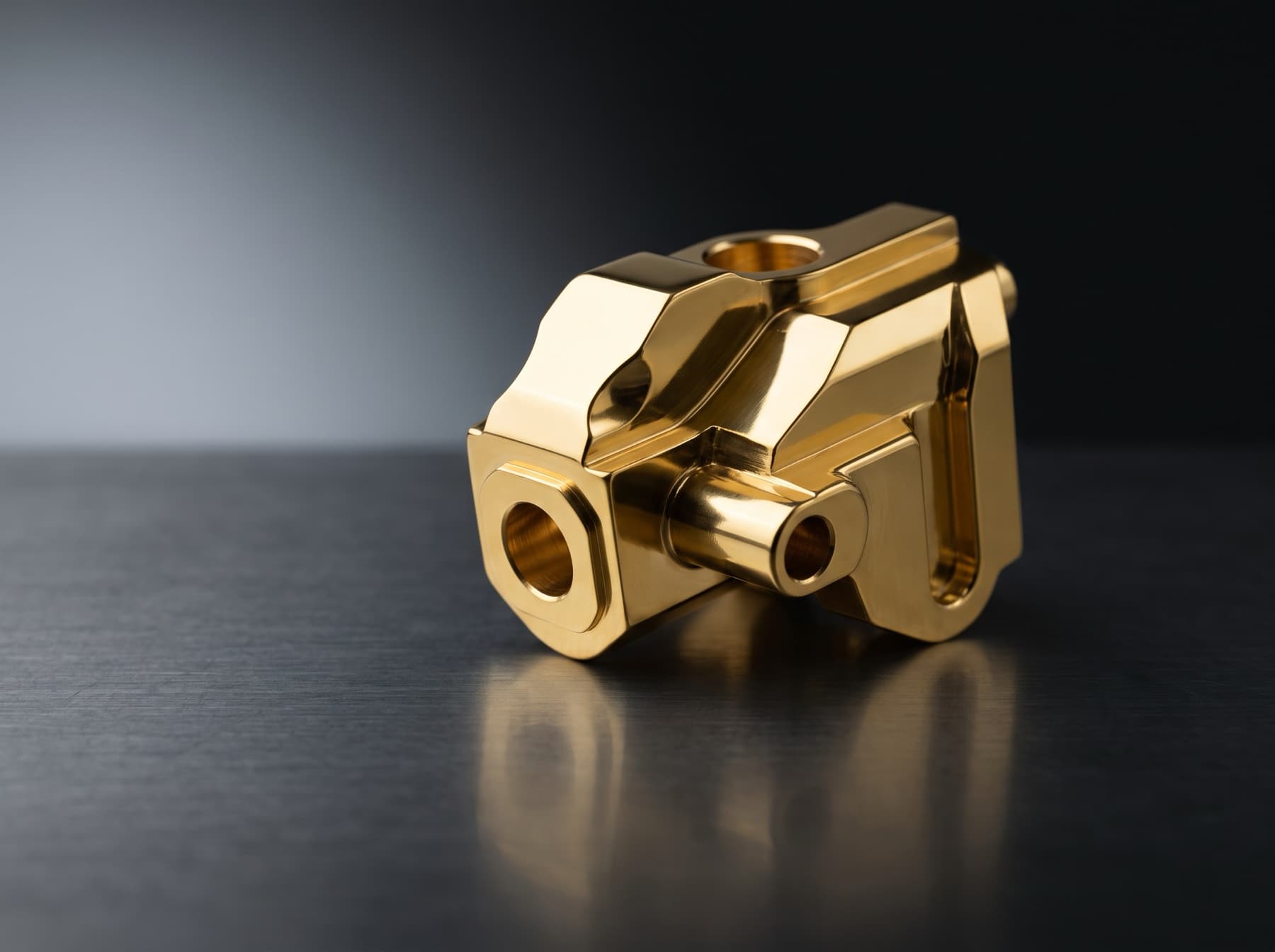
Properties & benefits
Conductivity
Excellent electrical and thermal conductivity for electronics, bus connections, and heat-sinking.
Leveling and throwing power
Smooths and fills the surface — fine imperfections disappear beneath the deposit.
Ductile and buildable
Highly ductile and easy to build up in thickness for electroforming and repair work.
Adhesion base
A strong foundation for nickel, gold, silver, and chrome top layers, and a useful mask for selective heat-treatment processes.
FAQ
Frequently asked questions
It can for functional and electronic parts, though it will oxidize over time. For decorative work it is typically topped with a more stable finish.
Relatedelectronics · research scientific · plating on different metals · surface preparation
Pricing
Copper plating starts at our $500 minimum and is quoted firm at $100 per square inch after a photo review. See pricing details.
Get a QuoteSend us a photo of your item.
Most quotes take one photo and one business day. Text a picture to (760) 458-3299 and we'll take it from there.