
July 7, 2026
Gold Plating Firearms: A Guide to Doing It Right
Thinking about gold plating a firearm? What can be plated, how it holds up, legal notes, and cost — from a professional lab. Get a free photo quote today.
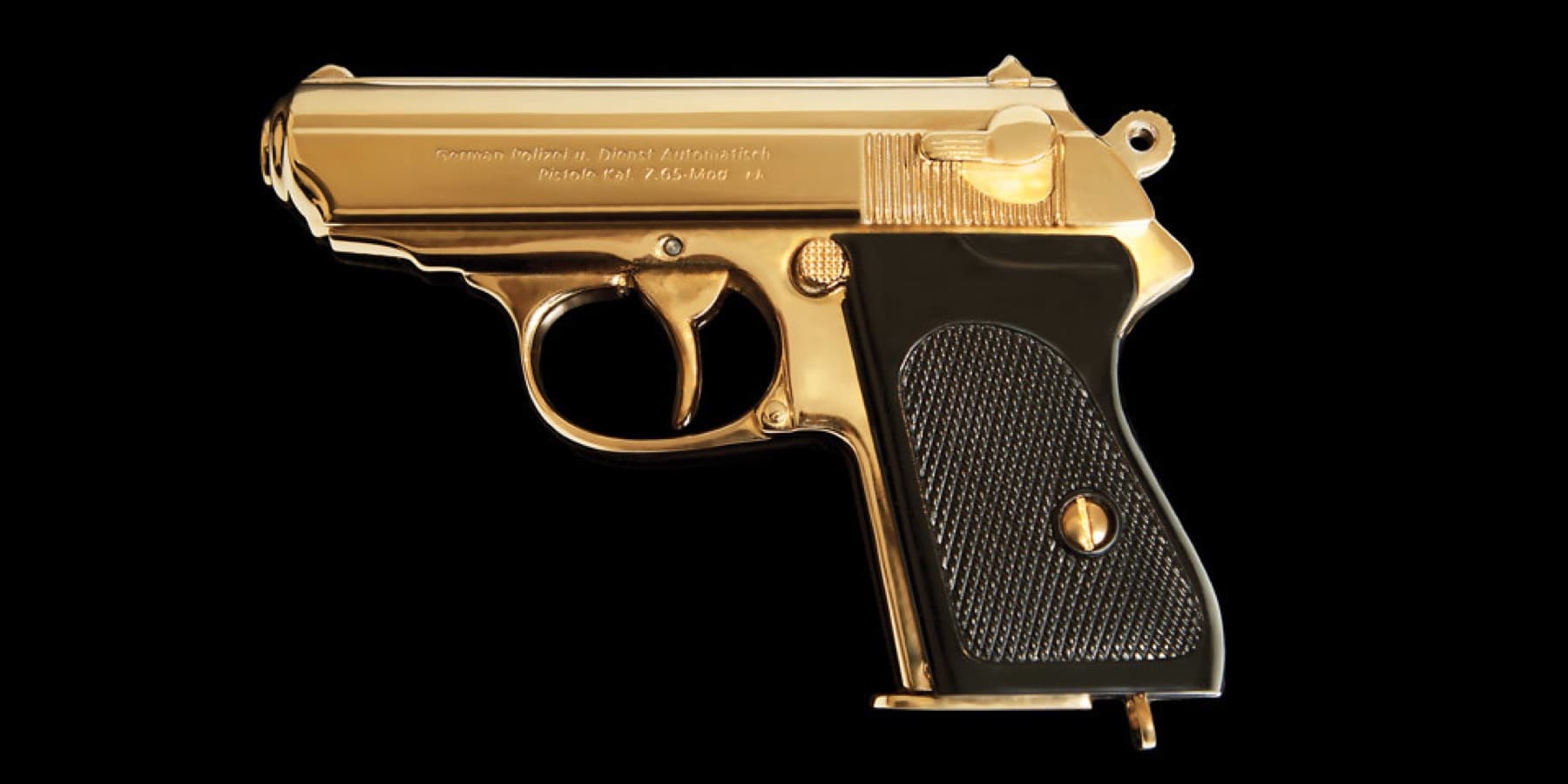
Gold and firearms have a history as old as gunmaking itself. Long before anyone plated a connector pin, royal armories were gilding presentation pieces for kings and generals, and engraved-and-gilded shotguns remain some of the most valuable objects the gun world produces. Today, gold plating a firearm is within reach of any owner — but it's a project with real technical and legal considerations. Here's what to know before you commit a favorite piece to the bath.
Why owners plate firearms
Three motivations come through our San Diego lab again and again:
- Presentation and commemoration. Retirement gifts for military and law enforcement careers, competition awards, and family heirlooms marking a milestone. A plated and engraved pistol in a display case is a tradition that goes back centuries.
- Custom builds. Owners dressing a build with gold accents — trigger, hammer, safety, barrel, magazine release — against a deep blued or black finish. The two-tone contrast is the point.
- Restoration. Vintage presentation pieces whose original gilding has worn, where careful replating restores what the maker intended.
This work sits squarely in our luxury and decorative plating wheelhouse: high-polish preparation, flawless coverage, and finishes meant to be looked at up close.
What can — and shouldn't — be plated
The good news: most firearm components plate beautifully. Steel and stainless frames, slides, triggers, hammers, pins, screws, trigger guards, and magazine releases are all strong candidates. Aluminum frames can be plated with appropriate preparation. Deep engraving actually pairs wonderfully with gold, which pools light in the cuts.
The judgment calls: we generally advise against plating bore surfaces, chamber interiors, and critical fire-control engagement surfaces where added thickness — even microns — could affect tolerances, and where friction would strip the finish quickly anyway. Springs are poor candidates. A full slide or frame is feasible and striking, but understand that holster wear will eventually show on contact points, exactly as it does on any finish.
For accent parts, we usually recommend harder gold deposits over a nickel underplate for wear resistance, with pure 24K gold plating reserved for the richest color on low-friction parts and display pieces. Because plating replicates the surface beneath it, preparation is everything — our resource on surface preparation explains why the polish before the plate determines the final result.
The practical and legal ground rules
Plating is a surface finish, not gunsmithing — but firearms still aren't ordinary packages. A few ground rules keep everything clean:
- Disassembly. We plate parts, not functioning firearms. Components should arrive fully disassembled and degreased; serialized parts involve additional handling requirements, so tell us up front if a frame or receiver is in scope.
- Transfer laws. Shipping serialized components has federal and California-specific rules. Plan the logistics with us before sending anything — local drop-off at our San Diego lab simplifies most of it for Southern California owners.
- Function check. After plating, have a qualified gunsmith reassemble and function-check the firearm. Added plating thickness on engagement surfaces is measured in millionths of an inch, but verification is non-negotiable.
What it costs
Firearm work is priced like everything else at our lab: 100 dollars per square inch of plated surface, 500 dollar project minimum. A typical accent package — trigger, hammer, safety, pins, and small controls — lands near the minimum. Full slides, frames, and engraved presentation projects scale with area and preparation time. Every job is quoted from photos first, so you'll know the exact number before any part leaves your bench. Our pricing page has the full breakdown.
From safe queen to showpiece
Done well, a gold-accented firearm is jewelry with a serial number — a piece that gets handed down rather than traded in. Done poorly, it's a refinish job someone has to strip. The difference is process control, and that's precisely what a professional lab provides over a DIY brush kit.
Photograph your disassembled parts, note which components you want plated, and send it through our quote form — we'll respond with a firm price and handling instructions, usually within one business day. Prefer to discuss the project first? Call the lab at (760) 458-3299.
Have a part like this?
Send a photo for a free quote.